
Written by Marijn
Edited on
27 January 2025
·
13:10
Which dishwasher cycles are available?
In addition to the standard cycle, a dishwasher often has 3 to 5 additional dishwasher cycles. In this article, we'll tell you which cycles there are and when you use them.

Different dishwasher cycles
Most dishwashers have a combination of the following cycles.
- Standard
- Automatic
- Eco
- Short
- Intensive
- Gentle
- Night
- Pre-rinse
- Anti-bacterial or hygiene
- Machine cleaning
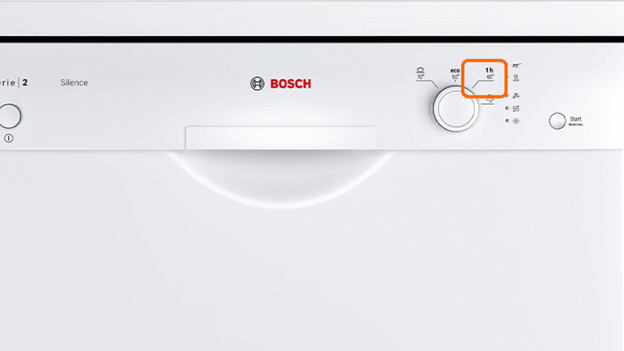
Standard: for daily dishes
You use the standard cycle for your everyday, lightly-soiled dishes. For example, breakfast plates, cutlery, and mugs. A lasagna dish with caked-on bits of cheese or plates with egg yolk won't be properly cleaned with this cycle. The dishwasher cleans dishes with a temperature between 55 and 65°C. The standard cycle is the main cycle on most dishwashers as well, unless your dishwasher has an automatic program.

Automatic: chooses the right cycle itself
The automatic cycle selects the cycle duration, water consumption, and temperature of the cycle for you. This temperature is between 50 and 70°C. The dishwasher has sensors like the aqua sensor and load sensor that measure the soil level of the dishes and the size of the load. Is the water still dirty after a rinse? It'll start a new rinse until the water and your dishes are clean. As a result, this cycle doesn't have an average duration.

Eco: cleans your dishes energy-efficiently
You use the eco cycle for your everyday dishes without caked-on food residue, just like the standard and automatic cycle. The main difference is that this cycle cleans your dishes in an energy-efficient way. The cycle uses less water and the water has a temperature of 50°C. As a result, it does take a little longer before you can unload the dishwasher again. The eco cycle takes an average of 3.5 hours.

Short: for small and slightly dirty dishes
You choose the short cycle if your dishes are lightly soiled and don't have caked-on food residue. For example, glasses, cups, and containers. A short cycle cleans your dishes in about 30 minutes with a temperature between 40 and 45°C. The exact duration differs per brand and model. The short cycle also has a shortened drying phase. That means your plates are often not entirely dry.

Intensive: for very dirty dishes with stubborn food residue
With the intensive dishwasher cycle, you clean oven dishes with caked-on cheese and pans with white sauce. This cycle cleans your dishes with higher temperatures of 70 to 75°C and takes about 2.5 hours on average. This also means it uses more energy.

Gentle: for glass and porcelain
With the gentle cycle, you can carefully clean your wine glasses, porcelain egg cups, and double-walled tea glasses. This cycle is also called a glass cycle or a delicate cycle. If you clean these types of dishes with too soft water, they become damaged and corroded. The gentle cycle raises the water hardness and cleans your dishes at a lower temperature, so you don't have to worry when you put your dishes in the dishwasher.

Night: cleans your dishes more silently
The night cycle is an extra silent cycle, so you won't be bothered by the sound of the dishwasher. That's useful if you're a light sleeper. In order to be as silent as possible, the cycle does take a little longer. But since you're asleep during the night, you won't notice. The reduced noise level differs per dishwasher.

Pre-rinse: prevents unpleasant odors
Don't want to start the dishwasher cycle yet, but is it pretty full already? Select the pre-rinse cycle. The pre-rinse cycle removes food residue from your dishes. This prevents bad odors and caked-on food residue. The pre-rinse isn't a full-fledged dishwasher cycle. You'll still have to run a full-fledged dishwasher cycle afterwards.

Anti-bacterial or hygiene: for allergies
The anti-bacterial cycle cleans your dishes at an extra high temperature of about 80°C or performs a hot rinse. That way, you know for sure bacteria or allergens are removed from your dishes. This cycle is especially useful if someone in your household has an allergy. It's also practical for new parents who want to be extra sure when it comes to the bottles and plates of their baby.

Machine cleaning: for a clean dishwasher
With the machine cleaning cycle, the dishwasher cleans itself. The dishwasher rinses away all of the remaining food residue and detergent at a high temperature. That way, you prevent bad odors. The cycle isn't a dishwasher cycle, so you run the cycle without any dishes in the machine.
Article by Marijn
Dishwasher Expert.

